If loud snoring keeps you or your partner awake, it’s worth discussing with your dentist in Duncan, OK, during your next dental visit. Dr. Matthew Bridges can identify oral factors that contribute to snoring and guide you toward effective treatment.
Understanding the connection between oral health and sleep patterns helps protect both your smile and your overall well-being. Call (580) 255-4880 to learn more about how snoring impacts your whole body with the team at Chisholm Trail Smile Center.
What Is Snoring and Why Does It Happen?
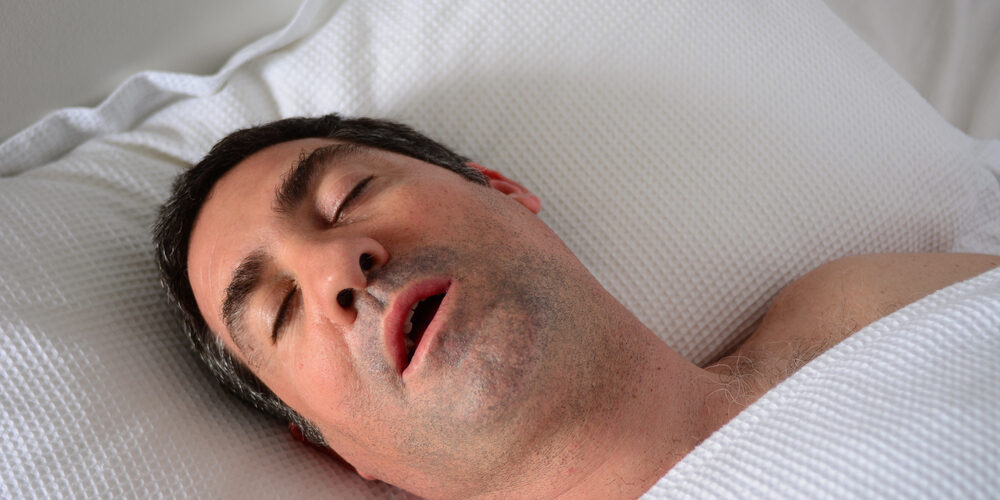
Snoring occurs when air cannot flow freely through the back of the mouth and nose during sleep. This partial blockage causes soft tissues in the throat to vibrate, which creates sound.
Occasional snoring is common. However, habitual snoring may indicate airway issues, muscle weakness, or structural concerns in the jaw or soft palate.
How Oral Health Affects Sleep
Your jaw, throat muscles, and tongue position influence breathing during sleep. Furthermore, misaligned teeth or bone structure can reduce airway space. Luckily, Dr. Bridges can easily assess bite alignment and oral anatomy to identify issues that may contribute to snoring.
Link Between Snoring and Sleep Apnea
Snoring is often a symptom of obstructive sleep apnea (OSA), a condition where breathing recurrently stops during sleep. OSA can lead to daytime fatigue, high blood pressure, and increased cardiovascular risk.
In fact, the research is very clear – untreated sleep apnea significantly increases the risk of heart disease and stroke. This evidence underscores why persistent snoring deserves professional evaluation.
Signs That Snoring May Be a Problem
Not all snoring is equal. However, you should talk to your dentist if snoring is:
- Loud and frequent, occurring most nights
- Accompanied by gasping or choking sounds
- Linked with daytime sleepiness
- Associated with headaches upon waking
- Causing disruption to your partner’s sleep
These warning signs suggest that sleep-related breathing issues may be present.
Oral Health Factors That Contribute to Snoring
Several oral conditions can worsen snoring, such as:
- Large tongue or tonsils that obstruct airflow
- Small jaw or narrow palate restricting airway space
- Tooth loss or improper bite altering tongue posture
- Periodontal (gum) disease contributing to inflammation and tissue swelling
How Your Duncan Dentist Can Help
Dr. Bridges plays an important role in addressing snoring, especially when it intersects with oral health. He can:
Evaluate Jaw and Bite Alignment
Misalignment can reduce airway space. Correcting alignment through dental or orthodontic treatment may reduce snoring.
Recommend Oral Appliances
Dental devices such as splints or night guards can reposition the lower jaw and tongue forward during sleep. This helps keep the airway open and reduces vibration that causes snoring.
Collaborate With Sleep Specialists
If Dr. Bridges suspects obstructive or central sleep apnea, he may refer you for a sleep study. Coordinated care ensures proper diagnosis and treatment.
Explore Non-surgical Treatments for Snoring in Duncan, OK
Early evaluation and coordinated care help you sleep better, wake refreshed, and protect long-term wellness. Click here to schedule a sleep-health evaluation with Dr. Matthew Bridges, or call Chisholm Trail Smile Center at (580) 255-4880 to book a visit today!