
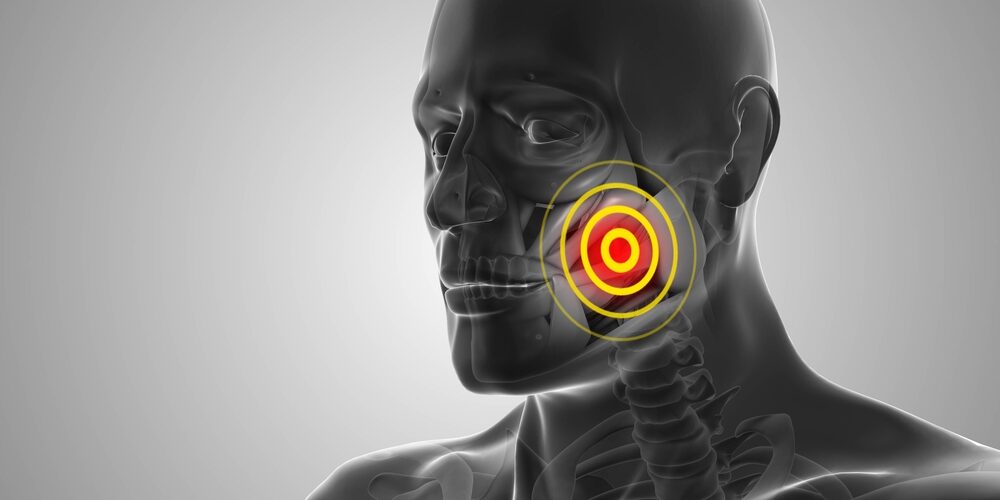
A popping jaw on one side only can feel strange and concerning. While a jaw popping may seem minor, it can signal an issue with the temporomandibular joint (TMJ), which may require restorative dentistry with Dr. Matthew Bridges.
Prevent long-term damage and discomfort. Call (580) 255-4880 to coordinate a visit to Chisholm Trail Smile Center to address a popping jaw with your trusted family dentist in Duncan, OK, today.
Understanding the Jaw Joint
The temporomandibular joints have the very important job of anchoring the lower jaw to the skull. You have one joint on each side of your face, which allows you to chew, speak, and yawn.
Inside each joint sits a small cartilage disc. This disc acts as a cushion, helping to move joints smoothly.
However, when that disc shifts out of position, a popping jaw may occur when opening and/or closing the mouth.
Why It Happens on One Side
A popping jaw on one side often relates to uneven pressure. Several factors can cause this imbalance, including:
- Teeth grinding or clenching
- Bite misalignment
- Trauma to the jaw
- Arthritis
- Muscle tension
If you chew more on one side, that joint carries an extra load. Over time, strain increases. The cartilage disc may slip slightly, creating the popping jaw sound.
Disc Displacement Explained
The most common reason for a popping jaw involves disc displacement with reduction. This condition means the disc moves out of place and then snaps back into position.
Recent reports indicate that disc displacement occurs in a significant portion of patients with TMJ symptoms. Interestingly, however, imaging studies show that some people have disc displacement without pain.
This fact highlights an important point. A painless popping jaw may still reflect structural changes inside the joint.
When Should You Be Concerned?
A popping jaw without pain may not require immediate treatment. However, certain symptoms suggest a more serious issue. Watch for:
- Persistent pain
- Limited mouth opening
- Jaw locking
- Headaches
- Ear discomfort
If these symptoms appear, schedule an evaluation with Dr. Bridges right away. Early diagnosis prevents worsening joint damage.
The Link to Teeth Grinding
Bruxism, or teeth grinding, places extreme force on the jaw joints. Many people grind at night without knowing it. But repeated clenching increases joint pressure, which can worsen a popping jaw and lead to inflammation.
Dr. Bridges often recommends a custom nightguard. This appliance reduces pressure and protects the joint during sleep.
How Bite Alignment Plays a Role
An uneven bite shifts chewing forces. Subsequently, one joint may absorb more stress than the other.
Proper alignment distributes pressure evenly. Balanced forces reduce strain and help minimize popping jaw symptoms, leading to healthier outcomes.
Treatment Options
Treatment depends on severity. Mild cases often improve with conservative care, such as:
- Jaw exercises
- Anti-inflammatory medication
- Nightguards
- Stress management
- Bite adjustment
Severe joint damage may require advanced therapies. Fortunately, most cases respond well to noninvasive treatment.
Take Action Early with Dr. Matthew Bridges in Duncan, OK
A popping jaw on one side only often signals joint imbalance. While it may not cause immediate pain, it should not be ignored.
Schedule a dental evaluation at Chisholm Trail Smile Center on our website here, or contact our clinic at (580) 255-4880 to protect your jaw joints for life.