A root canal is a common restorative dentistry procedure that saves a tooth from infection or decay. While the process is similar for all teeth, there are key differences between a root canal for front teeth and back teeth. Understanding these differences helps patients know what to expect and why treatment may vary depending on tooth location.
Not sure if you need a root canal? Contact Dr. Matthew Bridges at Chisholm Trail Smile Center. Our dentist in Duncan, OK, can assess your smile and recommend conservative treatments aimed at helping you keep your original smile. Call us at (580) 255-4880 for speedy care today!
Anatomy Matters: Front vs. Back Teeth
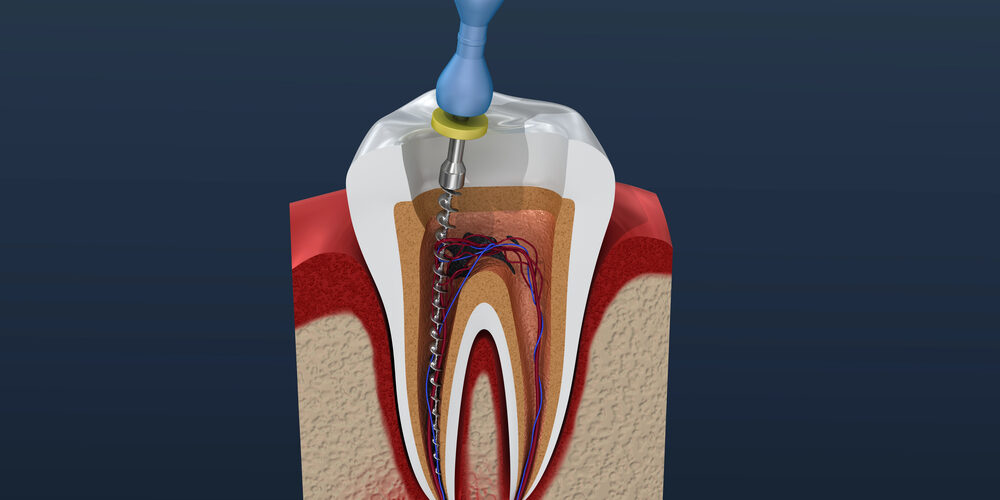
Front teeth, such as incisors and canines, usually have a single root and one canal. This makes treatment relatively straightforward. Back teeth, including premolars and molars, often have multiple roots and several canals.
A root canal on a back tooth can take longer because Dr. Bridges needs to clean and shape each canal carefully. Front teeth often require fewer steps due to simpler anatomy.
Complexity and Treatment Time
Because back teeth have more canals, root canal treatment in these areas is generally more complex. Dr. Bridges spends extra time ensuring all canals are fully cleaned to prevent reinfection.
Front teeth typically require less time. Dr. Bridges can access the canal easily, reducing the number of appointments and overall procedure time.
Restoration After Treatment
After a root canal, the tooth often needs a crown to restore strength and function. Back teeth experience more chewing pressure, so crowns are especially important to prevent fractures.
Front teeth usually require minimal restoration. A filling or veneer may be enough to protect the tooth and maintain aesthetics, depending on the size of the access opening.
Pain and Sensitivity Differences
Patients may notice differences in discomfort. Root canal treatment on back teeth can lead to more post-procedure soreness because of deeper canals and larger chewing forces.
Front teeth typically experience less soreness. Recovery is often quicker, and patients may return to normal biting and chewing sooner.
Access and Visibility
Front teeth are easier for Dr. Bridges to access and see clearly. This makes performing a root canal more straightforward. Back teeth are harder to reach, and Dr. Bridges may need specialized tools and imaging to navigate all canals safely.
Risks and Considerations
Root canals are common, with over 40,000 procedures performed every day. However, both front and back teeth can develop complications if infection persists or canals are missed. Back teeth carry a slightly higher risk due to complex canal structures.
Following post-procedure care instructions is important to limit potential complications. Pain management, oral hygiene, and avoiding hard foods help ensure successful healing after a root canal.
Root Canal Treatment in Duncan, OK – Chisholm Trail Smile Center
A root canal saves teeth, protects oral health, and prevents further infection. While the procedure is similar for all teeth, front teeth tend to be simpler to treat, heal faster, and may need less restoration. Back teeth require careful navigation of multiple canals, longer treatment time, and durable crowns.
No matter the location of the tooth, timely intervention is key. So, if you suspect a root canal infection, don’t wait. Click here to request speedy care at Chisholm Trail Smile Center, or contact Dr. Bridges in Duncan, OK, at (580) 255-4880 for an appointment now.